
Founded in 1832 Glasnevin Cemetery is one of Dublin’s famous historical landmarks. The Graveyard homes the graves of many notable figures in Irish history including Daniel O’Connell, Constance Markievicz, Éamon de Valera, Michael Collins, Charles Stewart Parnell and Roger Casement. In this post, we will first look at the history of this location followed by a couple of the ways you can explore this historical site.
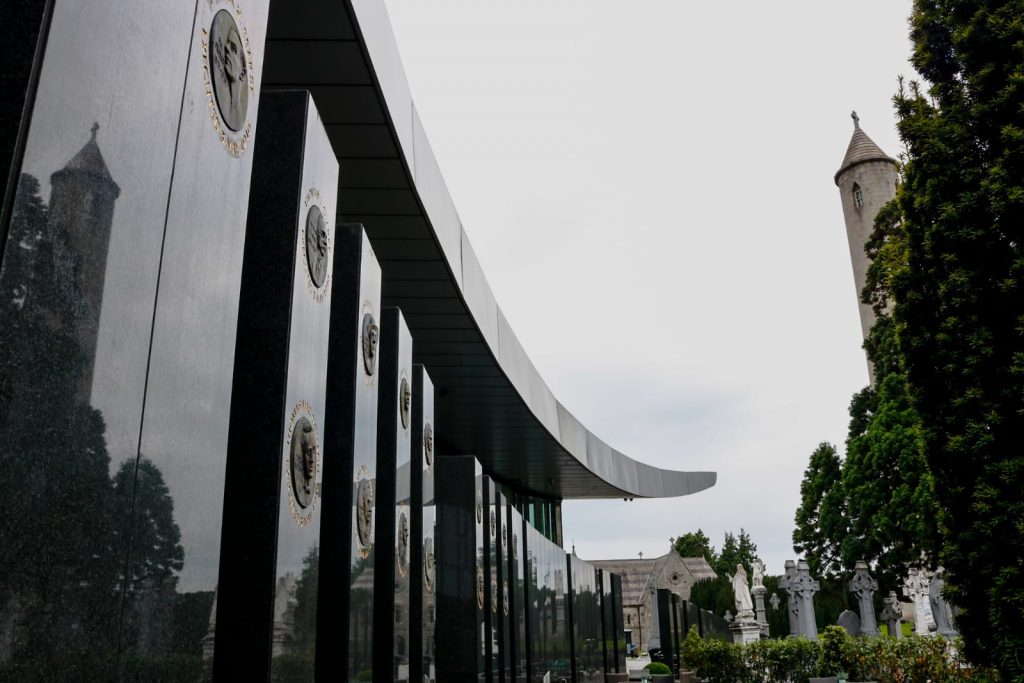
The cemetery is located on the Finglas road of the North Dublin suburb of Glasnevin. The site holds the graves of over 1.5 million people. Within the 124 acre grounds of the cemetery are a church, tower, museum and adjoining café.
The tower itself was built in 1854 to commemorate the political figure Daniel O’Connell who passed away in 1847. The tower was built using limestone sourced from Lucan in Co. Dublin and the build took a year and four months for hundreds of workers to complete. You can find out more on the Glasnevin Cemetery Museum website found here.
Visit the Glasnevin Cemetery Museum
The museum is located next to the entrance to the cemetery. You can visit the museum to view their exhibitions or book a tour alongside your museum visit by purchasing a combi ticket. There are a variety of excursions to choose from ranging from the “General History Tour”, “Dead Interesting Tour”, and a tower tour. During the summer there does be a tour dedicated to the women buried in Glasnevin Cemetery. For more information on any of these tours or to book see here.
Take a self-guided tour through the cemetery
Due to current COVID-19 circumstances, the museum is not open or conducting tours at the present moment. However, you can still explore this famous location yourself and learn some interesting historical facts. The Glasnevin Trust has an interactive map of the cemetery available here. This interactive map can allow users to navigate the cemetery and identify the graves of prominent figures in Irish history as well as providing a brief history of those buried on the selected plot. This tool can be useful when navigating the cemetery in one’s own time or when the official museum tours are not taking place.
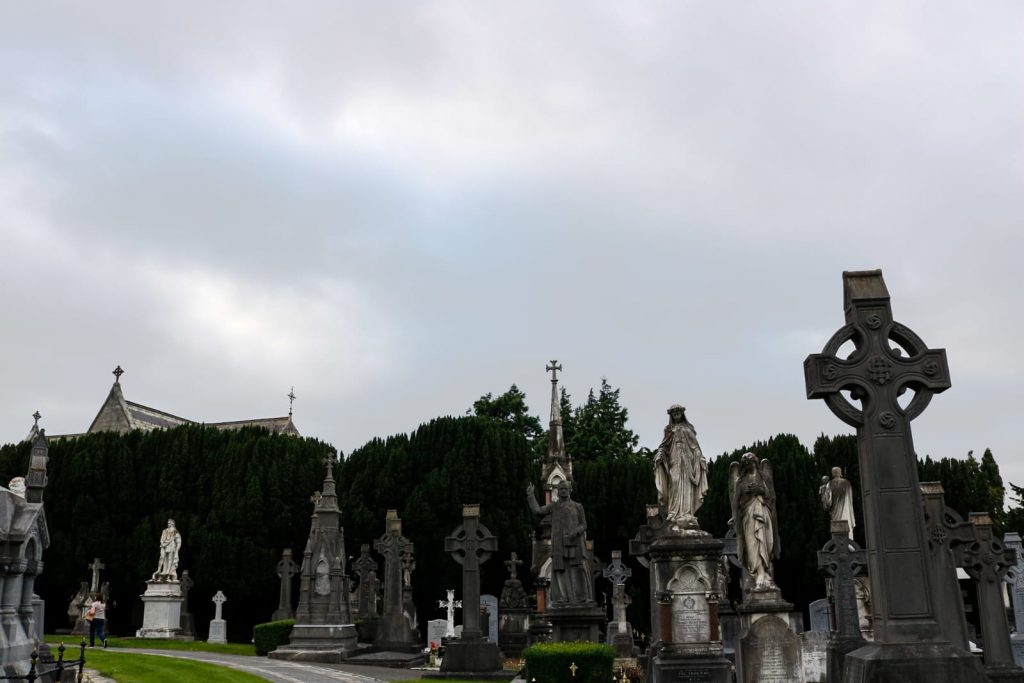
If exploring the cemetery yourself be sure to note that the gates close around 6 pm each evening. If you stay on a little past that time, you can exit via the pedestrian entrance further down the Finglas road. Do not panic like I did thinking I was locked in.
This post comes to you as a collaboration between The Museum Associates and Eye on Éire. If you have a passion for museums check out their blog here.
Slán for now
Ashling